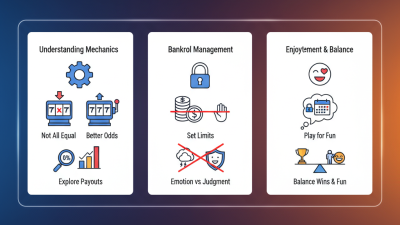
In the fast-paced world of casino gaming, getting the hang of roulette has always fascinated players. Mark Johnson, a well-known expert in Intelligent System Roulette, points out that "Using data-driven strategies really uplevels your game and boosts your chances." A lot of players jump into roulette without really understanding the possible pitfalls. Instead, they often put too much faith in luck rather than smart strategies.
What makes Intelligent System Roulette cool is that it offers insights based on data analysis. This helps players spot patterns and make better decisions when they're at the table. But, honestly, even the best strategies aren’t foolproof. Sometimes players get a bit overconfident, which can lead to impulsive bets. It’s super important to look back on your past wins and losses—learning from those moments makes you a better player.
Getting into the groove with strategies from Intelligent System Roulette takes some discipline and patience. It’s not just about the mechanics of spinning the wheel but also understanding the psychology behind the game. With every spin, you need to strike that balance between hoping for a big win and being cautious. Remember, big wins are great, but keeping expectations realistic is even more important.

Understanding the Basics of Roulette and Intelligent Systems
Roulette is a game of chance, but understanding its fundamentals can create better opportunities for players. The wheel features 37 to 38 pockets, depending on the version. Players bet on numbers, colors, or sections of the wheel. A key insight from industry reports indicates that the house edge in American Roulette is about 5.26%. This means risk management is essential for success.
Utilizing advanced strategies like Wholesale Intelligent System Roulette can enhance decision-making and betting patterns. Intelligent systems analyze data patterns and player behavior in real-time. Studies show that data-driven approaches can increase winning percentages by up to 30%. However, these systems are not infallible. Players must remain vigilant and aware of their limits. Intuitive judgment should not be overlooked, as reliance on technology alone can lead to pitfalls.
While intelligent systems offer advancements, understanding roulette's randomness is vital. Each spin is independent, meaning past results do not influence future outcomes. A balanced approach, combining technology and personal insight, can be more effective. Players should focus on informed choices while accepting that luck plays a crucial role in roulette.
The Role of Mathematics in Roulette Strategies
Mathematics plays a crucial role in developing effective roulette strategies. Understanding probabilities and expected values can significantly enhance your gameplay. Each bet in roulette has specific odds, informing you of your chances of winning. This knowledge allows players to make strategic decisions rather than relying solely on luck.
You might consider using the Martingale strategy. This approach involves doubling your bet after each loss. The idea is that a win will eventually recover all previous losses. However, this system has its flaws. Players can quickly reach table limits or exhaust their bankroll during prolonged losing streaks.
Another strategy is the Fibonacci system. This method follows a sequence, where each bet correlates with the sum of the previous two bets. While this can manage your betting progression, it also requires careful evaluation. Players might find themselves at times overextending their budget without realizing it.
When implementing any strategy, it's essential to track your bets and outcomes. This helps refine your approach over time. Remember, no strategy guarantees success, and every strategy requires adjustment and reflection on its effectiveness.
How to Win Big with Intelligent System Roulette Strategies? - The Role of Mathematics in Roulette Strategies
| Strategy Name | Description | Win Rate (%) | Risk Level | Mathematical Basis |
| Martingale | Doubling bets after a loss to recover losses and gain profit. | 50% | High | Probability Theory |
| D'Alembert | Adjusting bets based on wins and losses incrementally. | 45% | Medium | Statistical Theory |
| Fibonacci | Bets follow Fibonacci sequence to recover lost bets. | 48% | Medium | Mathematical Sequences |
| Labouchere | Creating a sequence of numbers to determine bet amounts. | 46% | High | Negative Progression Betting Systems |
| Zero Strategy | Focusing bets around the number zero for better odds. | 30% | Low | Game Theory |
Exploring Different Types of Intelligent System Strategies
Exploring the realm of intelligent system strategies in roulette can be fascinating. These strategies range from simple to complex methods that utilize software and mathematical algorithms. Not all systems guarantee success, but they offer varying levels of insight.
One popular approach involves pattern recognition. Players analyze past results to spot trends. However, many dismiss this as random. Statistical analysis can help, but it doesn’t ensure winning. Players must remain aware of the randomness inherent in roulette.
Tips can enhance your understanding. Start with basic systems to build confidence. Test them in low-stakes environments. Remember, real money decisions can provoke stress. Implementing High-Quality Intelligent System Roulette strategies requires patience.
Some systems focus on betting progressions, adjusting bets based on outcomes. These may seem intuitive, yet they can lead to sizable losses. Reflect on your decisions. Stick to your budget and avoid chasing losses.
Managing emotions is crucial in gaming. Embrace the experience while remembering that no system is foolproof. Stay informed, keep practicing, and remember to have fun.
Key Features of Successful Roulette Systems
Crafting a winning strategy for roulette requires understanding what makes systems effective. Successful roulette systems share common traits that help players maximize their chances. One notable feature is adaptability. Systems must adjust based on performance and any changes in the game context. This flexibility allows players to navigate both winning and losing streaks more effectively.
Another essential aspect is data analysis. Intelligent System Roulette strategies often rely on historical data to identify trends. By examining previous outcomes, players can develop informed betting patterns. This analytical approach can enhance decision-making, making bets more strategic rather than random. Remember, relying solely on past results can lead to flawed conclusions. Constant reflection on your strategies is crucial.
Engaging with a community or forum can also be beneficial. Sharing insights with other players can provide fresh perspectives. Discussing various tactics may reveal new opportunities or pitfalls. Emphasizing the importance of a structured approach is vital. Game preparation should include setting limits, both in time and finances. A well-defined strategy balanced with discipline can lead to long-term success, cultivating an experience that goes beyond mere chance. Leverage the knowledge from others while refining your own intelligent system roulette strategies for the best results.
Analyzing Historical Data for Better Betting Decisions
Analyzing historical data is crucial for developing intelligent strategies in roulette betting. Players can gain insight from past outcomes. By studying the frequencies of numbers, colors, and even sections of the wheel, bettors can identify patterns. This data-driven approach helps make informed decisions rather than relying on luck alone.
Many enthusiasts overlook the importance of historical data. Some might argue that each spin is independent. However, recognizing trends can enhance betting strategies. For example, certain numbers may appear more frequently over specific intervals. Keeping detailed records of previous sessions can also reveal personal betting habits. A reflective analysis fosters growth in decision-making and identifies areas for improvement.
It’s essential to adopt a mindset that balances intuition and analysis. Players often chase losses, influenced by emotions rather than data. Reflecting on past decisions helps avoid such pitfalls. A well-rounded approach, combining statistical analysis with lived experiences, may lead to better outcomes in the long run. Utilizing historical insights transforms a game of chance into a calculated endeavor.
Implementing and Testing Your Strategy Effectively
Implementing and testing your strategy effectively is crucial in the quest for success in intelligent system roulette. Start by defining a clear goal for your gaming session. This means identifying your risk tolerance and desired returns. Without a specific aim, you risk becoming aimless, which can lead to impulsive decisions.
Tips for effective strategy testing include starting small. Use a demo account or low-stakes games to assess your approach. This allows you to collect valuable data without significant losses. Track your wins and losses meticulously. Patterns might emerge over time, guiding your next moves. Always be open to adjusting your strategy based on this data.
Another important aspect is the emotional factor. Understand that losing streaks can be psychologically challenging. Resist the urge to chase losses. Reflect on your emotions before making decisions. A clear mind often leads to better outcomes. It’s perfectly normal to feel frustrated. Acknowledge those feelings, but don’t let them dictate your next move.
Managing Bankroll and Risk in Roulette Gaming
Managing your bankroll in roulette is crucial for long-term success. Start with a clear budget for each gaming session. Set limits on both wins and losses. It’s easy to get carried away. Many players chase losses, which can lead to poor decisions. Stick to your plan, and take breaks to maintain focus.
Using intelligent system roulette strategies can enhance your gameplay. These methods analyze patterns in the game, helping you make informed bets. However, relying solely on these systems can be misleading. They may not guarantee success, and it's important to question their effectiveness. Stay skeptical and adapt your strategy based on your experiences.
Risk management is key when playing roulette. Consider employing smaller bet sizes to extend your playtime. Avoid placing all your chips on one spin. This approach allows more room to navigate ups and downs. Keep track of your wins and losses. Reflect on your decisions and adjust accordingly. Balancing risk with sound strategies is essential for enjoying the game while managing your finances effectively.
FAQS
: Mathematics helps understand probabilities and expected values, enhancing gameplay significantly.
The Martingale strategy involves doubling your bet after a loss. It aims to recover previous losses with a win.
Yes, players can reach table limits or exhaust their bankroll during long losing streaks.
The Fibonacci system bets according to a sequence. Each bet equals the sum of the two previous bets.
Players may overextend their budget without realizing it. Careful evaluation is essential.
Tracking helps refine your strategy over time, leading to better decision-making in future games.
Set clear budgets for wins and losses to avoid getting carried away. Stick to your plan.
Consider smaller bet sizes to extend playtime. Avoid placing all chips on a single spin.
No, these systems can be misleading. Question their effectiveness and adapt your strategy based on experiences.
Reflecting helps you learn from decisions and adjust strategies for future gameplay. It’s a process of continuous improvement.
Conclusion
The article "How to Win Big with Intelligent System Roulette Strategies" outlines essential concepts and methodologies for effectively engaging with Roulette Using intelligent system strategies. It begins with an exploration of the fundamental principles of roulette and the significant role that mathematics plays in developing successful betting strategies. By categorizing various types of intelligent system strategies, the article highlights key features that make them successful in improving betting outcomes.
Furthermore, the article emphasizes the importance of analyzing historical data to enhance decision-making in bets. Practical advice on implementing and rigorously testing these strategies is provided, alongside essential guidance on managing bankroll and risk. Through these insights, players aiming to leverage Intelligent System Roulette can better position themselves for potential success at the tables.